
The Songs of Butler & Cupples Find the Rhythm of Isolation in “When Your Alone (H2SO4 Mix)”
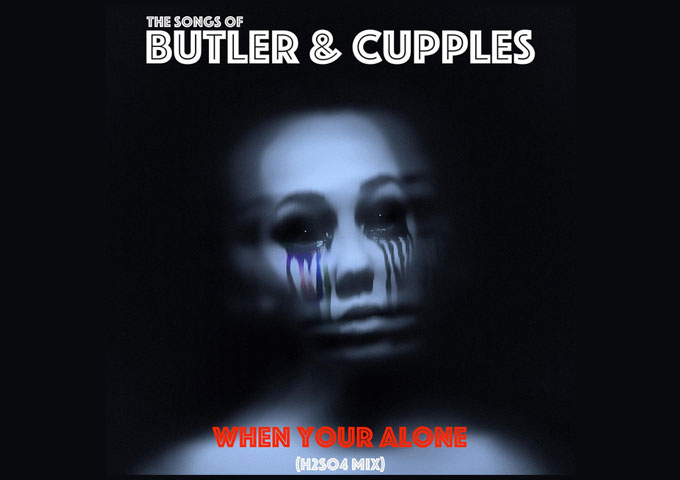
Blending electronic pop, trip-hop atmosphere and indie-dance energy, The Songs of Butler & Cupples revisit the emotional weight of loneliness through an immersive new remix. Driven by elastic bass, restless synths and dreamy guitar melodies, the track finds an intriguing balance between melancholy and movement. Its conversational British vocal delivery captures the small frustrations of everyday life with disarming honesty and a streak of dark humor. Beneath the hypnotic production lies a deeply relatable story of disconnection, emotional exhaustion and the difficulty of finding motivation to start again. With H2SO4 adding a fresh electronic dimension, the release celebrates the enduring power of thoughtful songwriting while embracing the irresistible pull of the dance floor.
The Songs of Butler & Cupples have an instinctive understanding of how ordinary experiences can reveal extraordinary emotional truths. On “When Your Alone (H2SO4 Mix)”, the creative project revisits the uncomfortable territory of loneliness, emotional stagnation and the familiar habit of promising yourself that tomorrow will be different. Yet rather than approaching these feelings through grand declarations or overly sentimental songwriting, the track finds its identity in conversational observations, understated humor and an electronic arrangement that makes the contrast between physical movement and psychological inertia particularly compelling.
Operating as a songwriting-first creative framework rather than a conventional band or individual artist project, The Songs of Butler & Cupples place the composition itself at the center of their artistic philosophy. Collaboration, substance and emotional authenticity take precedence over image, expectation or commercial formula. This approach has allowed the project to explore an unusually broad musical landscape, moving between guitar-led pop-rock, electronic experimentation, dance, acoustic restraint and jazz-leaning influences without losing sight of its fundamental commitment to melody and meaningful songwriting. “When Your Alone (H2SO4 Mix)” extends that creative curiosity into an especially engaging intersection of trip-hop, electronic pop and indie-dance.
The production establishes its atmosphere through restless synth patterns and a deep, elastic bass presence, creating an immediate sense of nocturnal anticipation. The rhythm section supplies a persistent four-on-the-floor pulse, reportedly sitting around 124 BPM, with crisp hi-hats and carefully placed percussive details giving the arrangement a subtle sense of swing. Rather than relying exclusively on the straightforward propulsion of conventional dance production, the remix builds an immersive environment in which individual textures gradually reveal their character. Warm, expansive synth pads provide the foundation, while filtered arpeggiated elements introduce movement between vocal phrases. The additional electronic detailing, including resonant filter modulation and acid-house-inspired touches, gives the production a slightly sharper personality without compromising its melodic accessibility.
One of the most effective decisions is the contrast between this energetic instrumental backdrop and the narrator’s almost spoken vocal delivery. The opening question, asking whether the listener has ever experienced that particular feeling, immediately establishes an informal connection. It sounds less like someone performing a carefully rehearsed confession and more like a person beginning a conversation because they have reached the point where keeping everything to themselves has become exhausting. The distinctly British delivery adds further personality, particularly through its understated expressions of dissatisfaction and its refusal to dramatize every frustration.
Lyrically, “When Your Alone” explores the fragile connections between people, the difficulty of maintaining friendships and the emotional distance that can develop even when somebody desperately wants companionship. Its domestic imagery is especially revealing. Empty cans, cigarette butts, the television providing background distraction and the increasingly mundane frustration of running out of tea are not particularly dramatic subjects. That is precisely why they work. These seemingly insignificant details create a recognizable portrait of somebody spending too much time alone, surrounded by the remnants of previous activity and struggling to find a meaningful reason to re-engage with the world.
The writing understands that isolation is not necessarily defined by spectacular moments of sadness. Sometimes it is the accumulation of small inconveniences, neglected responsibilities and repetitive habits that makes the experience particularly difficult to escape. The narrator’s surroundings become an extension of their emotional condition, with the ordinary objects of everyday life quietly reinforcing the absence of another person. There is humor in these observations, but it is the humor of somebody who knows that their circumstances are not particularly funny and has little alternative but to laugh at them.
Perhaps the most interesting lyrical device is the recurring promise to get things together, accompanied by the familiar decision to postpone meaningful change until next week. This repeated deferral captures an almost universal psychological contradiction: recognizing that something needs to improve while simultaneously lacking the motivation to take the first step. It is an amusing proposition on the surface, but its implications are considerably more poignant. Tomorrow becomes next week, next week becomes another excuse, and the possibility of reconnecting with somebody or rebuilding neglected relationships remains suspended. The song consequently finds a particularly effective balance between self-deprecating comedy and genuine emotional vulnerability.
As the arrangement develops, the more melodic chorus reveals another dimension of the composition. The vocal becomes softer and more expressive, allowing the underlying heartbreak to emerge from beneath the conversational exterior. Dreamy guitar melodies introduce an organic warmth, their descending movement adding a subtle sense of emotional gravity to the electronic framework. This guitar presence is especially important because it prevents the remix from becoming an entirely synthetic exercise. Instead, it provides a human counterpoint to the programmed rhythms, reinforcing the tension between the narrator’s emotional exhaustion and the music’s persistent forward momentum.
The H2SO4 interpretation also brings an appealing sense of nostalgia without becoming dependent on imitation. Its spacious production and atmospheric vocal treatment recall the period when trip-hop textures, alternative pop and accessible electronic dance music frequently occupied the same musical territory. The vocal sits comfortably within the surrounding ambience, while the brighter synth accents and rhythmic insistence make the track equally attractive for late-night headphone listening and indie-dance playlists. It possesses the hypnotic qualities of dance music, but its emotional substance gives the repetition a genuine purpose.
Ultimately, “When Your Alone (H2SO4 Mix)” succeeds because its musical and lyrical personalities complement rather than contradict one another. The production encourages movement, while the writing describes somebody struggling to move forward. The melody offers warmth, while the narrative exposes emotional emptiness. Even the humor feels inseparable from the sadness, making the narrator’s experience considerably more believable than a conventional declaration of loneliness might have achieved.
For The Songs of Butler & Cupples, this release is another reminder that originality does not necessarily require abandoning the fundamentals of great songwriting. A memorable melody, an identifiable human perspective and production that understands how to support the composition remain powerful creative ingredients. With H2SO4 providing an immersive new dimension, “When Your Alone (H2SO4 Mix)” becomes an addictive, thoughtfully constructed reflection on modern isolation, friendship and the deceptively difficult business of getting yourself back together. It is a song that makes you want to move, even when its narrator cannot quite find the motivation to get off the sofa.
OFFICIAL LINKS: SPOTIFY – INSTAGRAM – FACEBOOK – YOUTUBE – TIKTOK