diegoista’s “IN ANOTHER LIFE” Turns Missed Love Into a Cinematic Melodic House Reverie
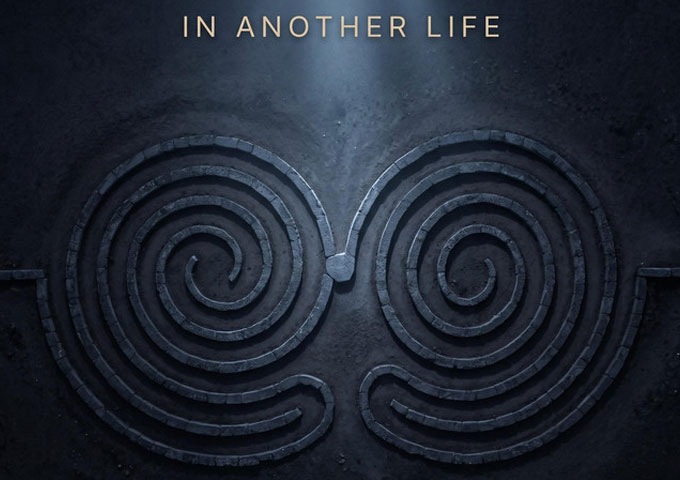
Two lives cross beneath circumstances neither can control. One connection survives long after the moment disappears. Melodic House becomes the language of memory, longing, and possibility. “IN ANOTHER LIFE” asks what might have happened if fate had shifted by a fraction. diegoista transforms an almost-love into a luminous promise that refuses to disappear.
diegoista understands something fundamental about heartbreak: the relationships that haunt us most deeply are not always the ones that lasted the longest. Sometimes it is the connection that never had enough time to become what it might have been that stays lodged in the imagination. That unresolved space between possibility and reality is where “IN ANOTHER LIFE” finds its emotional center, transforming a missed connection into an atmospheric, cinematic journey through memory, destiny, regret, and hope.
Built around the expressive architecture of Melodic House, “IN ANOTHER LIFE” does not treat electronic production as a barrier between the listener and the emotion. Instead, the production becomes an extension of the song’s psychology. Atmospheric textures create an expansive sense of distance, while the driving pulse supplies forward motion beneath an intimate vocal performance. The result is a track that feels simultaneously grounded in the late-night world of electronic music and lifted into something more cinematic, almost dreamlike.
At the heart of the song is a deceptively simple question: what if circumstances had been just slightly different?
The opening imagery immediately establishes that sense of impossible proximity. Two people exist within the same world, close enough to encounter each other, yet traveling along separate trajectories. The metaphor of sparks moving through a rain-soaked city captures the contradiction beautifully. Sparks suggest attraction, electricity, and potential, while rain suggests the circumstances capable of extinguishing or obscuring that possibility. The lovers do not need to be separated by continents or dramatic tragedy. They are separated by timing.
That distinction gives “IN ANOTHER LIFE” much of its emotional sophistication. This is not a conventional breakup song built around blame. Nobody is presented as the villain. Nobody necessarily made a catastrophic mistake. Instead, diegoista explores the painful possibility that two people can genuinely matter to each other and still fail to become a couple because their lives are moving in incompatible directions.
The lyric about two different roads crossing at the wrong sign becomes a particularly effective image because it frames fate as something almost geographical. The people meet, the attraction exists, but the route is wrong. The tragedy is not that the road never existed. It is that the intersection happened at the wrong moment.
That idea deepens through the song’s recurring image of the world turning “one degree” differently. The phrase functions as the central metaphor of “IN ANOTHER LIFE”, suggesting that enormous emotional consequences can emerge from microscopic changes. One decision, one conversation, one day, one circumstance, one moment of courage or hesitation could potentially redirect an entire lifetime. The song never pretends that such an alternate reality can be proven. That uncertainty is precisely what makes the fantasy so powerful.
Musically, this concept fits naturally within the evolving emotional vocabulary of Melodic House. The genre has the capacity to make repetition feel hypnotic rather than static, allowing a relatively simple melodic idea to gather emotional weight each time it returns. diegoista uses that quality effectively. The track’s forward-driving rhythm suggests movement, yet its atmospheric layers create the sensation of being suspended inside memory. It is music for motion that emotionally refuses to leave the past behind.
The vocal writing is equally important. Rather than presenting longing as theatrical despair, “IN ANOTHER LIFE” gives it a restrained, reflective quality. The narrator remembers rather than accuses. Even when the emotional stakes become more intense, the central desire is not to rewrite the other person. Instead, the narrator imagines meeting again without demanding that anything about that person be different.
That distinction becomes especially affecting when the song reaches its plea to stay together next time. It is not a demand for restitution. It is a fantasy of a second opportunity, stripped of resentment. The speaker is essentially saying that if another chance exists, the only thing worth changing would be the timing.
The second major lyrical movement introduces the passage of years, and this is where “IN ANOTHER LIFE” becomes more than a song about romantic nostalgia. Time itself becomes one of the characters. Memories evolve, emotional intensity changes, and the truth of what happened becomes increasingly difficult to separate from what the narrator wishes had happened. Yet disappearance does not equal erasure. The song recognizes that someone can leave your physical life while continuing to occupy an emotional one.
The moon imagery reinforces this shared-distance concept. The narrator wonders whether the other person might be looking upward at the same moon and experiencing a similar sense of absence. It is an inherently romantic thought, but diegoista keeps it grounded in uncertainty. We never receive confirmation that the other person feels the same way. The possibility is enough.
That restraint prevents “IN ANOTHER LIFE” from becoming sentimental for sentimentality’s sake. The song understands that unresolved love survives precisely because it cannot be conclusively answered. If the narrator knew exactly what the other person felt, the mystery would disappear. Instead, the unanswered question becomes the emotional engine.
The final section takes the concept further by introducing an almost metaphysical interpretation of loss. Perhaps the relationship was destined to happen, but perhaps the loss itself was part of what gave the experience its meaning. The lyric’s suggestion that losing someone can become the price of discovering what love feels like is one of the track’s most mature ideas. It acknowledges that not every meaningful relationship is measured by permanence.
This is where the song’s title takes on its full significance. “IN ANOTHER LIFE” is not merely an escape into fantasy. It represents the human tendency to construct alternate timelines around experiences that never reached their potential. We imagine the dinner that never happened, the conversation we never had, the relationship that might have unfolded if circumstances had aligned. These imagined lives can hurt, but they can also preserve something beautiful.
The closing promise to find the other person before goodbye transforms the song one final time. Earlier, the narrator was reacting to missed timing. By the conclusion, the narrator imagines a world in which timing can no longer interfere. The emotional movement is therefore not from love to heartbreak, but from heartbreak toward possibility.
That trajectory is reflected in the production concept behind “IN ANOTHER LIFE.” The cinematic atmosphere gives the song a sense of scale, while the melodic electronic pulse keeps it connected to the body. It is simultaneously a song to feel and a song to move through. Its late-night energy makes perfect sense because nighttime has always been fertile territory for memory. With fewer distractions around us, old conversations become louder, old faces become clearer, and hypothetical futures can feel strangely tangible.
diegoista succeeds because the track does not attempt to resolve the contradiction at its center. The song wants to believe in destiny while recognizing the cruelty of timing. It longs for another life while remaining conscious that this life cannot be rewritten. It embraces hope without pretending that hope is certainty.
Ultimately, “IN ANOTHER LIFE” is a cinematic meditation on the lives that exist only in imagination. Its emotional power comes from the space between what happened and what might have happened, between goodbye and the fantasy of another beginning. Through atmospheric Melodic House production, emotive vocals, evolving textures, and lyrics built around missed intersections and impossible second chances, diegoista turns an intimate romantic question into something universal.
Perhaps that is why the song’s central idea lingers after the final note. Most people have encountered someone at the wrong time, watched a possibility disappear, or wondered how different life might look if one tiny detail had changed. “IN ANOTHER LIFE” gives that universal experience a soundtrack.
And in its final vision of another sky, another beginning, and a reunion before goodbye, diegoista leaves the listener suspended between grief and hope, exactly where the most enduring love stories often live.
OFFICIAL LINKS: SPOTIFY – INSTAGRAM – FACEBOOK – YOUTUBE – TIKTOK